
Books for curious minds · Ages 8–12 · 4 books
City stories
Why a city is the way it is: streets, water, decisions and people.
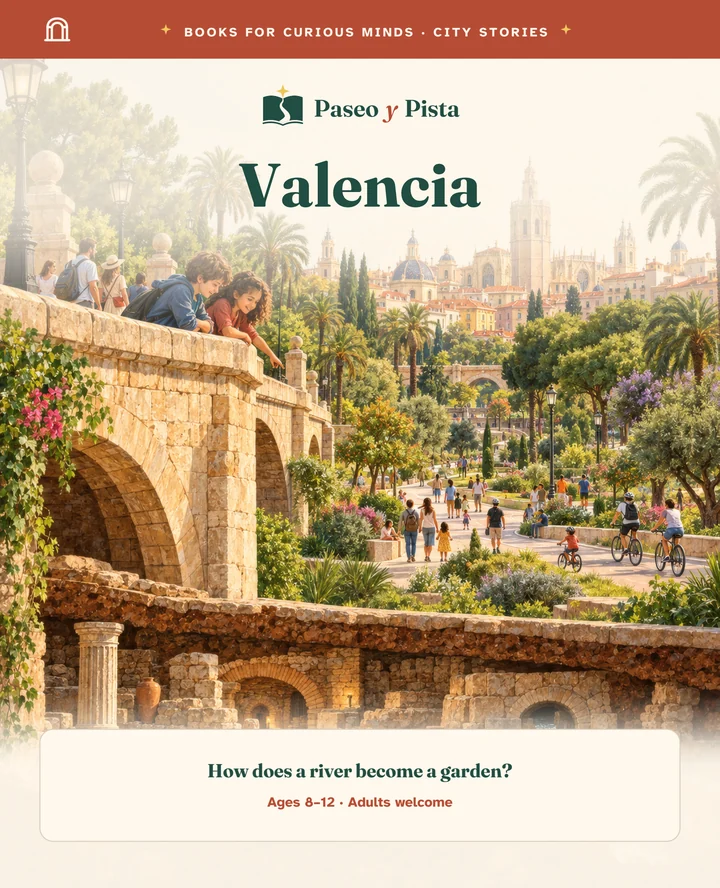
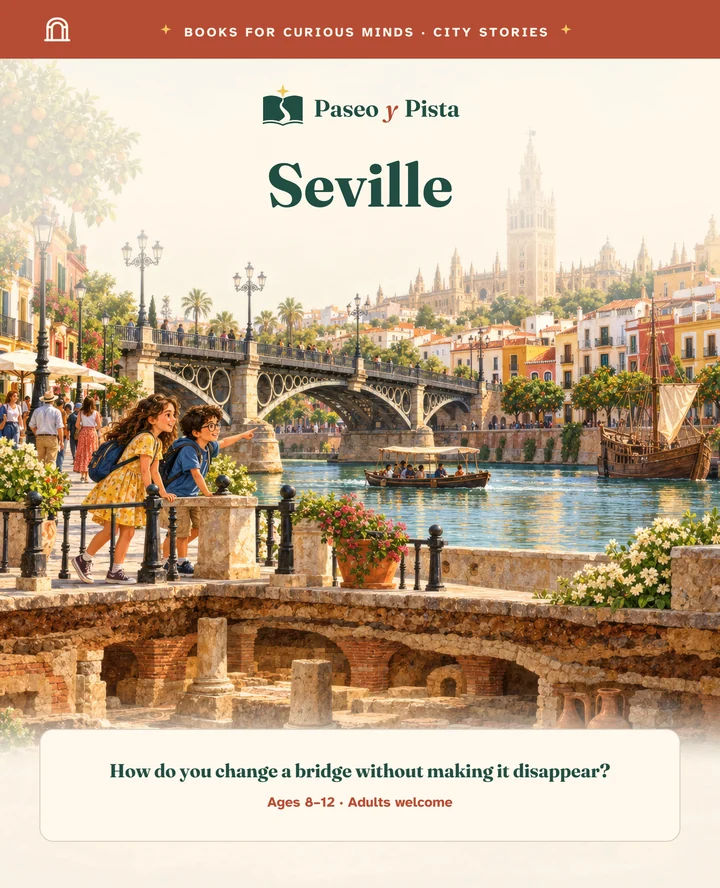
Stories about how Madrid, Barcelona, Valencia and Seville changed: their walls, rivers, ports and squares, and the people who shaped them.
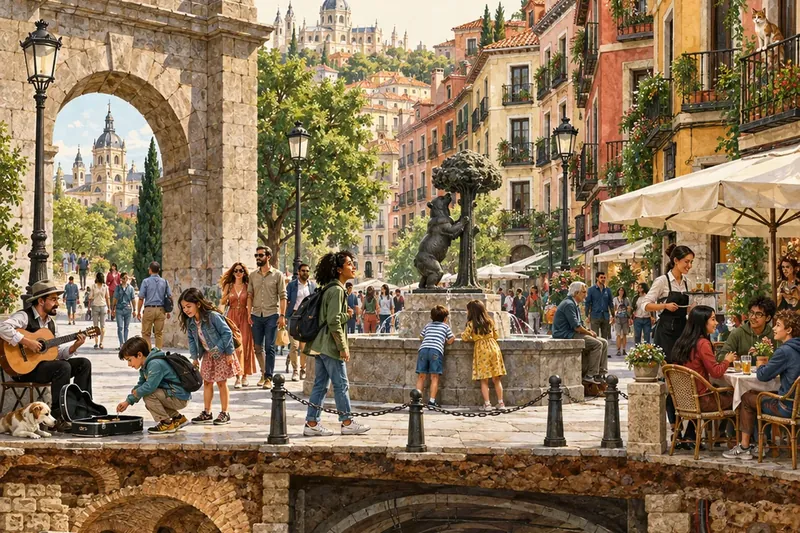
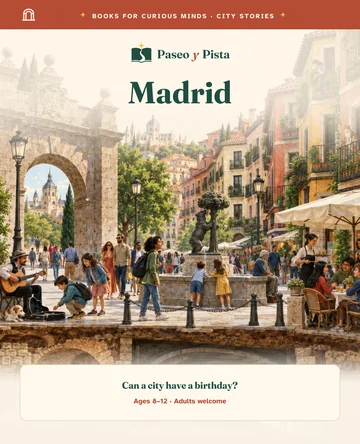
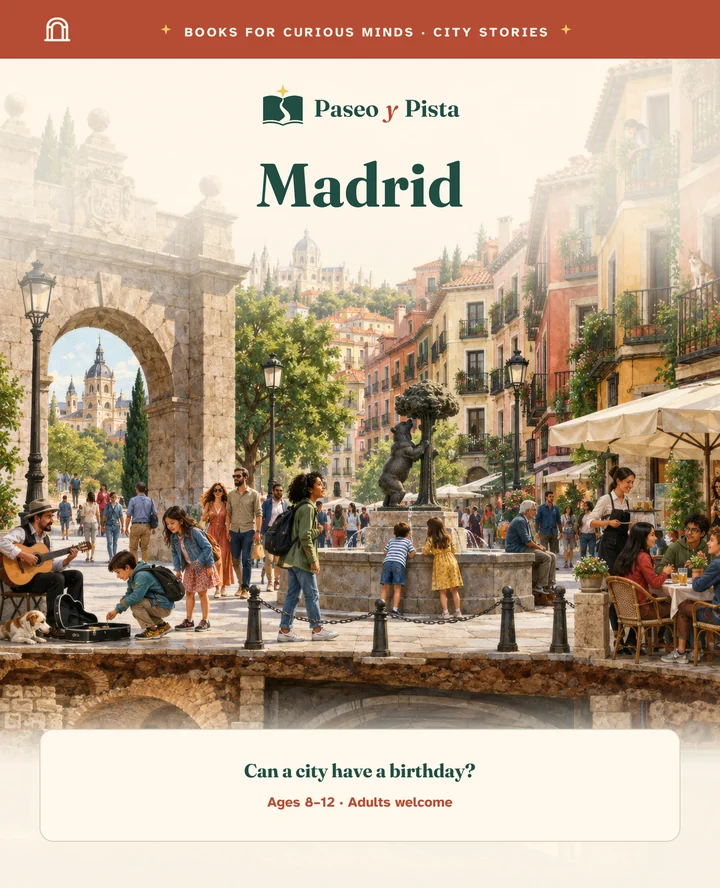
See the booksCan a city have a birthday?
Madrid 1 of 4 · See the book
Why this series
- 54true stories from Madrid, Barcelona, Valencia and Seville, each with its own painting.
- 178different sources cited: archives, museums, city councils and universities.
- 180words at most on any reading page: no walls of text.
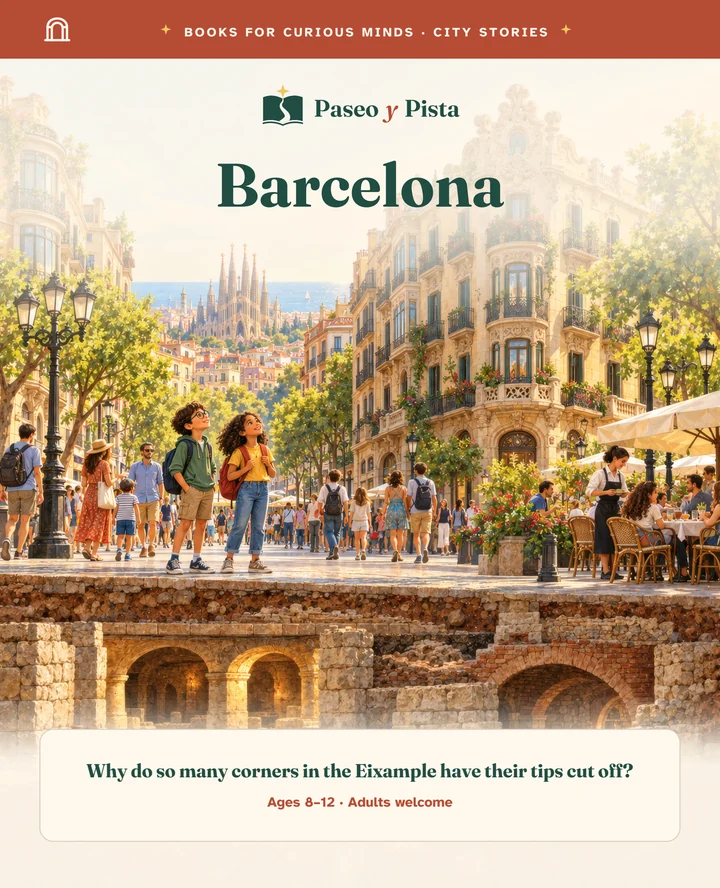
Cities are full of questions: why a corner is cut off, why a bridge no longer crosses water, why a cathedral has only one tower. Each book answers those questions with true stories.
Each story starts with a painting and a scene to imagine, then tells what the sources say. Anything that is only tradition is marked “People say that…”, so it stays apart from what has been checked.
Difficult subjects (wars, floods, slavery) are told with care and without violent detail, and the adult page says which chapters they are in.
What they learn as they play
Learning outside the classroom: what school starts carries on at home and on the street.
- Understanding the city Why streets, water and neighbourhoods are the way they are.
- Ordering time Timelines and what changed.
- Telling facts from legends What is documented and what is just told.
- Thinking about people Who decided, and who it affected.
How each book works
- 1The storyA painting and a scene to imagine, then the true story in short pages.
- 2Three momentsA timeline with three dates to put what happened in order.
- 3Go and seeA pencil activity: draw, tick, circle or look around the street.
- 4Talk about itThree questions to talk about at home, with answers at the back.
Books in this series
Questions from parents
Do we need to visit the city to read it?
No. It is read at home, with no walk. If you do visit, each story has something to look for in the street.
What age is it for?
Ages 8 to 12. Younger readers enjoy it most reading with an adult.
Is everything in it true?
Yes, and every story lists its sources at the back. Anything that is only tradition is marked “People say that…”. The paintings are illustrations, not documents from the time.
What order should we read them in?
Any order: each book is one city and each story stands on its own. The contents page has a circle to colour in for every story you finish.
Are they in English?
Yes, every book has a Spanish edition and an English edition.
Have another question? Write to us at contact@paseoypista.com and we'll reply.
Other series
Games for the street, books for curious minds and stories to read together.
- Games · Ages 6–9
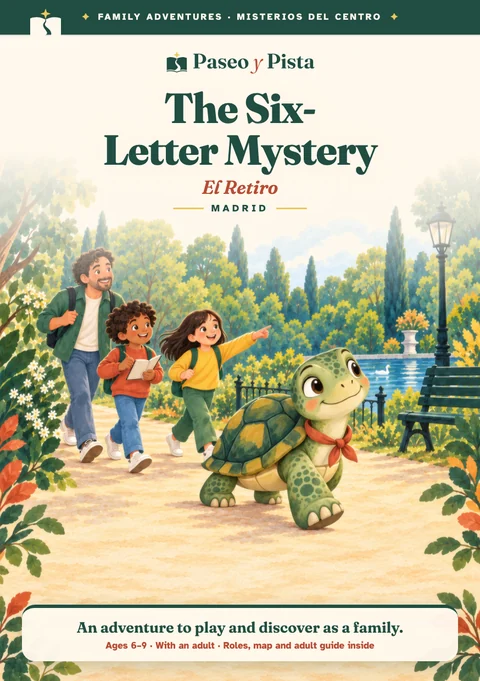
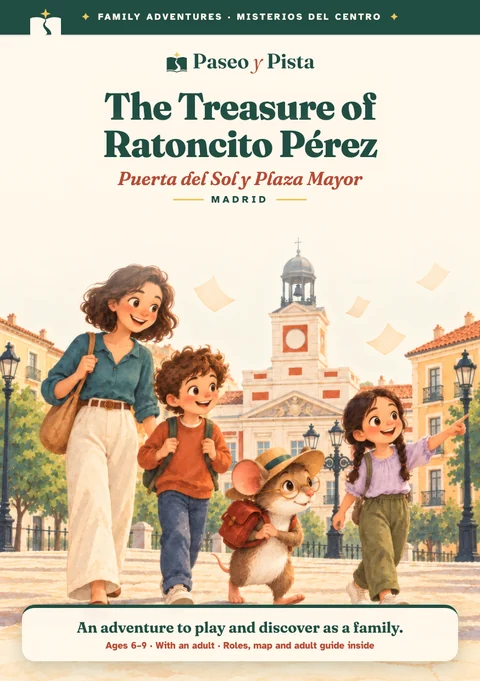
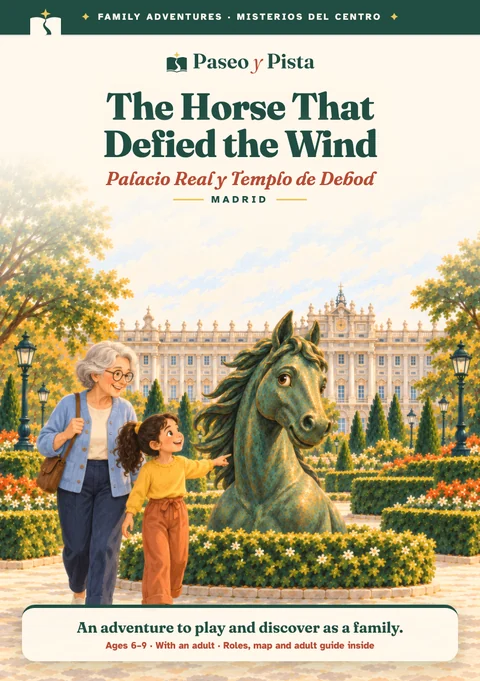 Mysteries to solve on foot7 cities · 4 adventures in each
- Science and maths
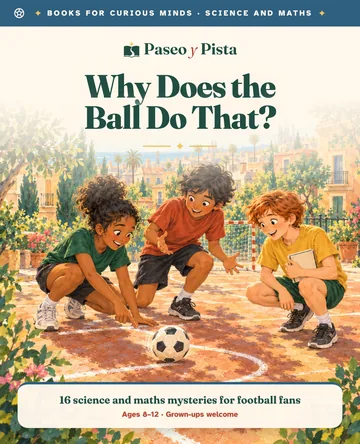
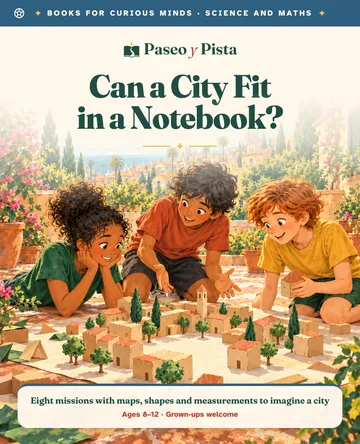
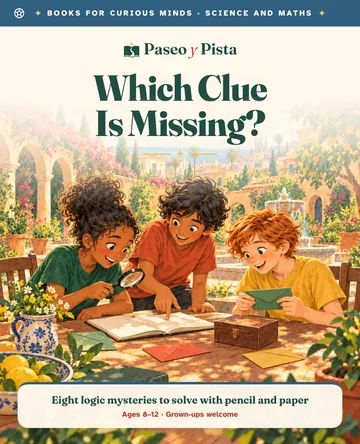 Physics and maths hiding in the things you love.4 books · See the series →
- Technology
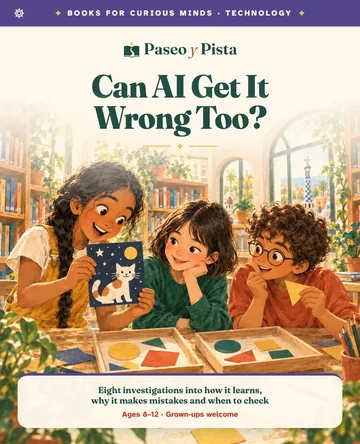
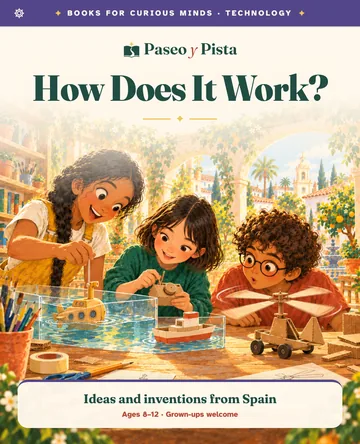
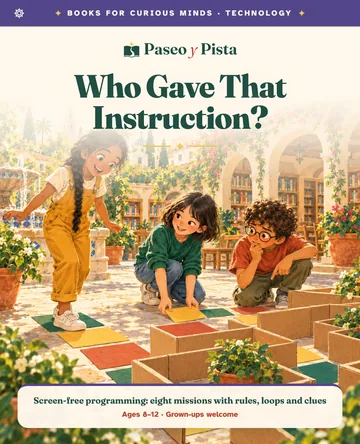 How the machines, ideas and systems we use every day really work.9 books · See the series →
- Chess
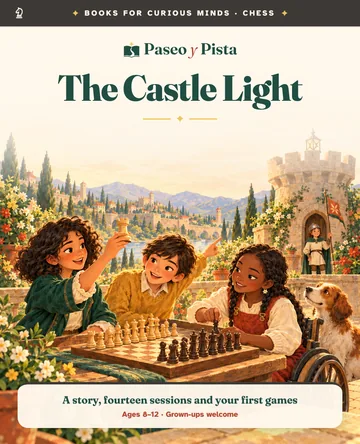
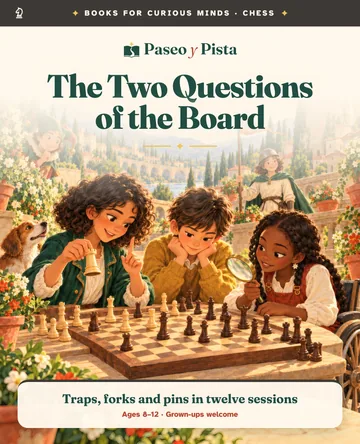
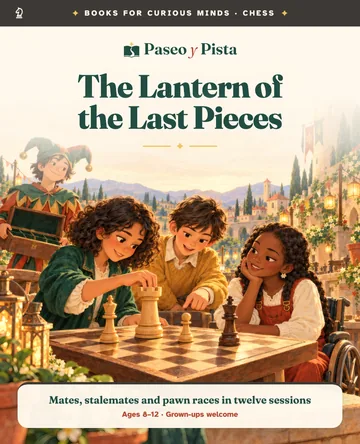 Learn chess by playing, from your first game to making plans.4 books · See the series →
- Money Detectives
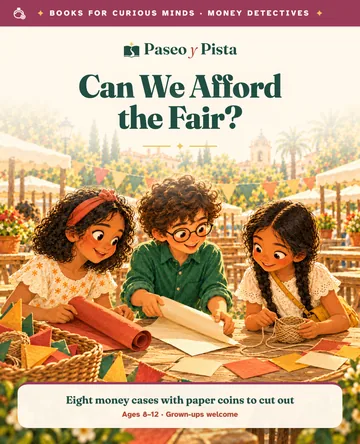
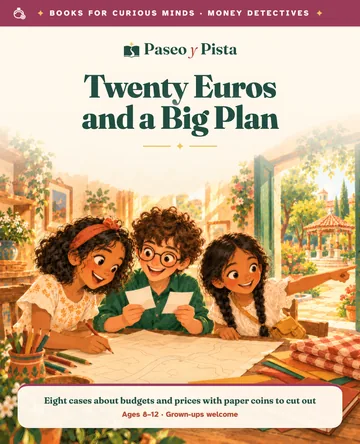
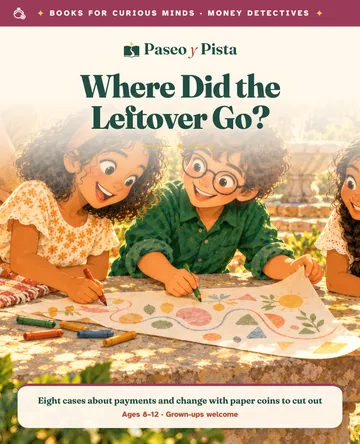 Mysteries that make sense of money.10 books · See the series →
- Madrid up close
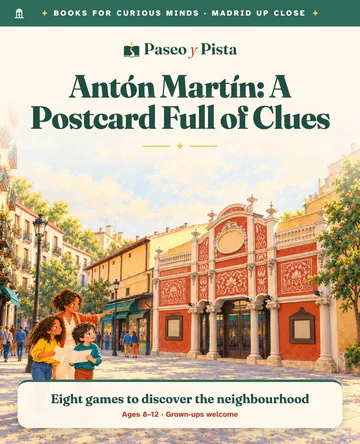
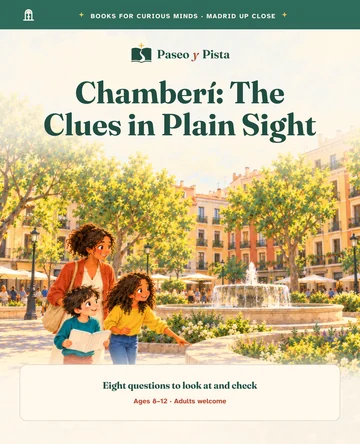
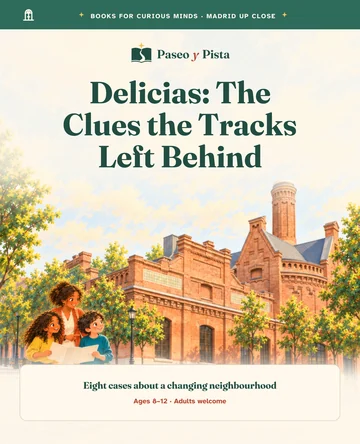 One Madrid neighbourhood, eight ways to look closely.5 books · See the series →
- Time Detectives
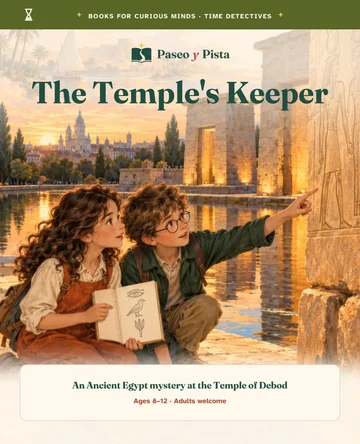
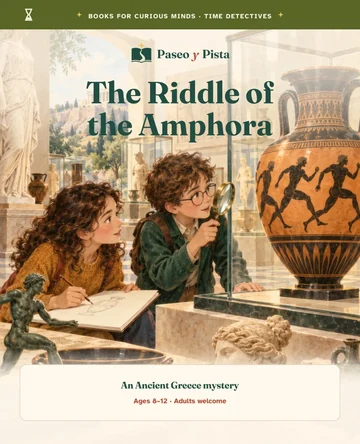
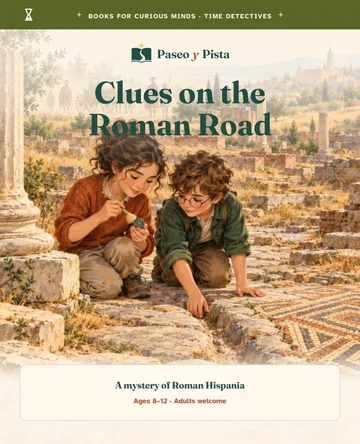 Egypt, Greece, Rome and Madrid: history, solved like a case.6 books · See the series →
- People and ideas
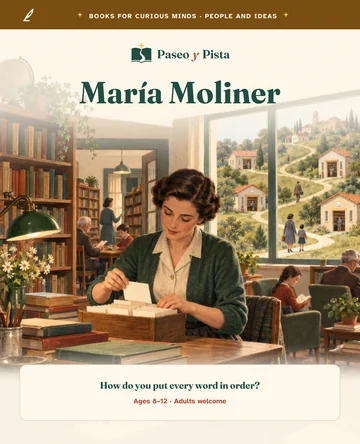
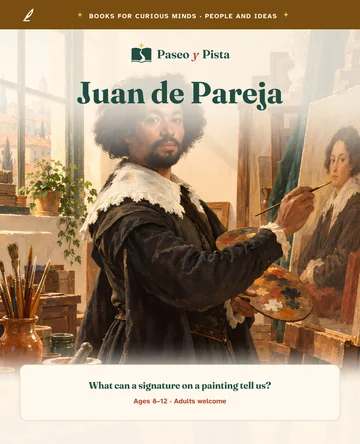
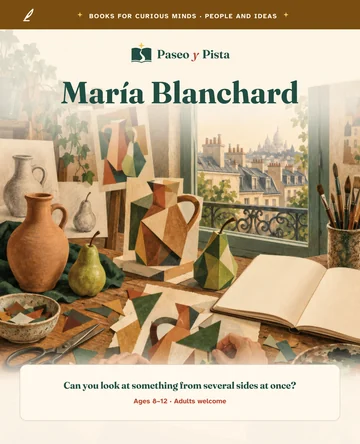 People from Spain who looked at the world differently, and the ideas they left us.4 books · See the series →
- Art Detectives
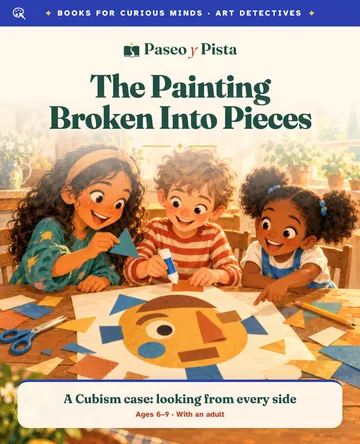
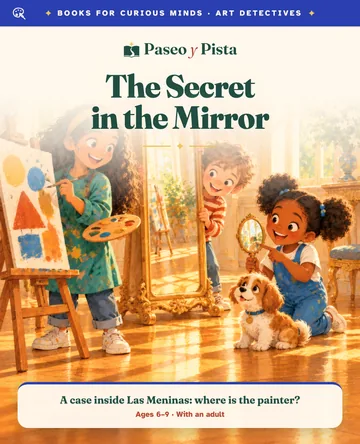
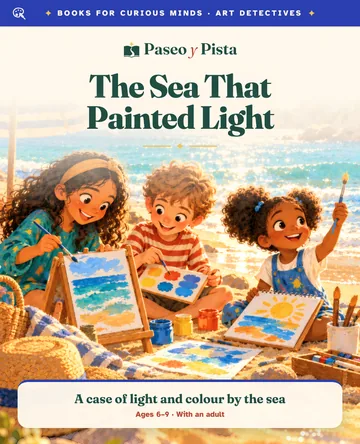 Mysteries for looking closely at paintings.6 books · See the series →
- Salamanca, Student City
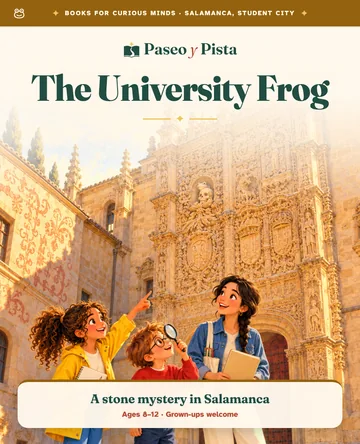
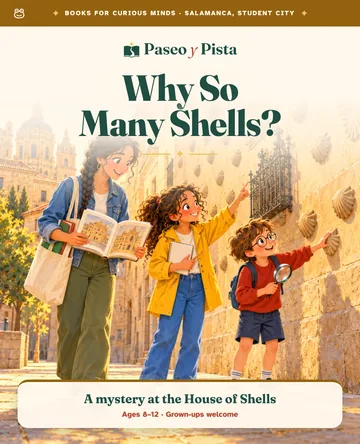
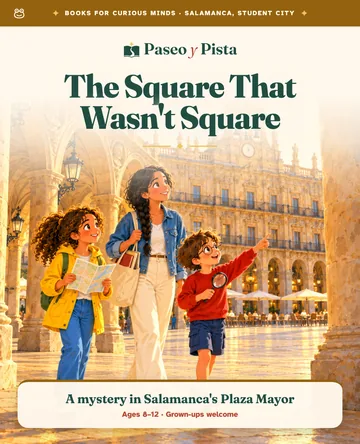 Eight centuries of students and a city full of clues.5 books · See the series →
- I Can Do It!
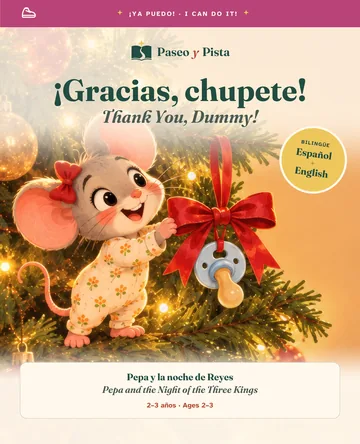
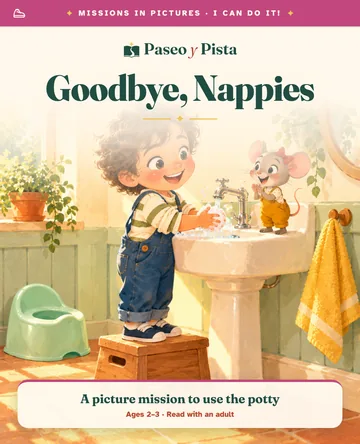
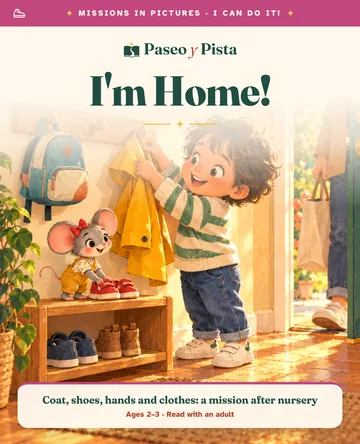 Picture missions for the big steps of ages 2 and 3.3 books · See the series →
- Bom's Village
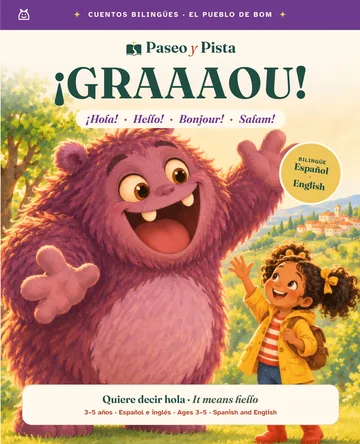
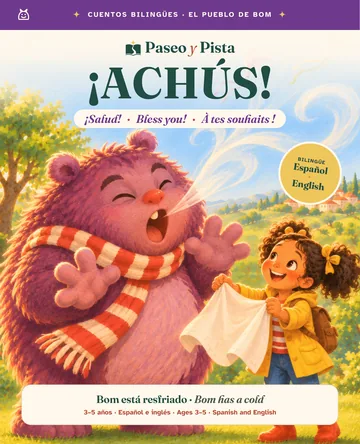
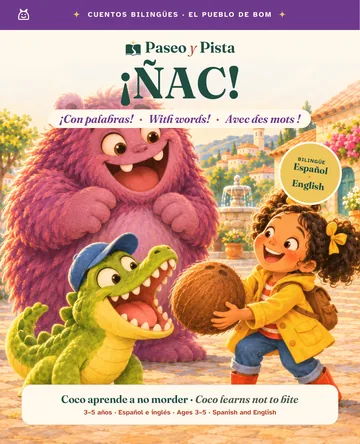 Bilingual Spanish–English stories for ages 3 to 5.7 books · See the series →
- Stories · Ages 6–9
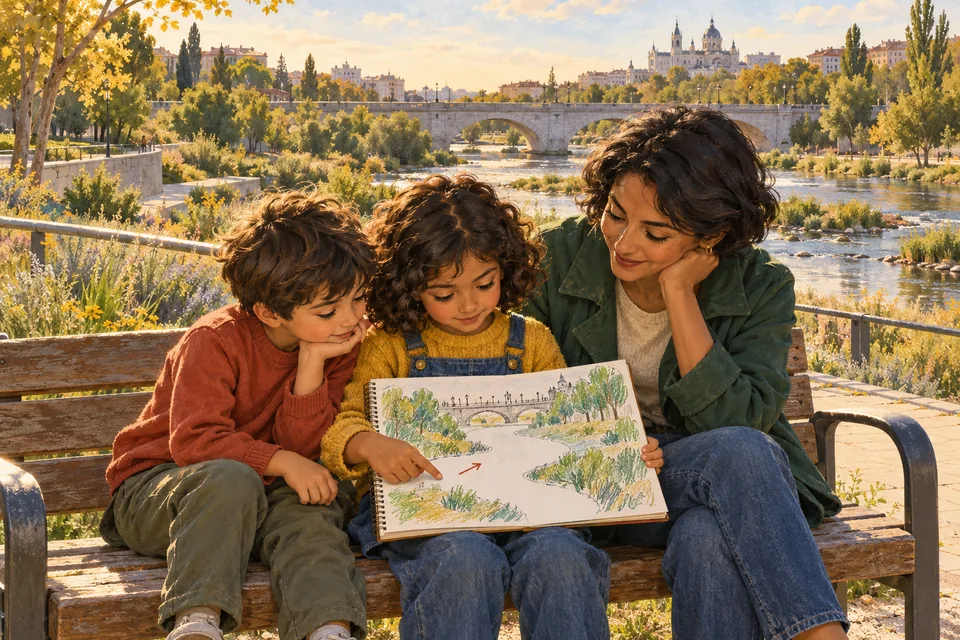 Little mysteries to share16 stories · 7 cities
Paseo y Pista makes paper games, books and stories for learning through play: curious, hands-on and away from screens.