
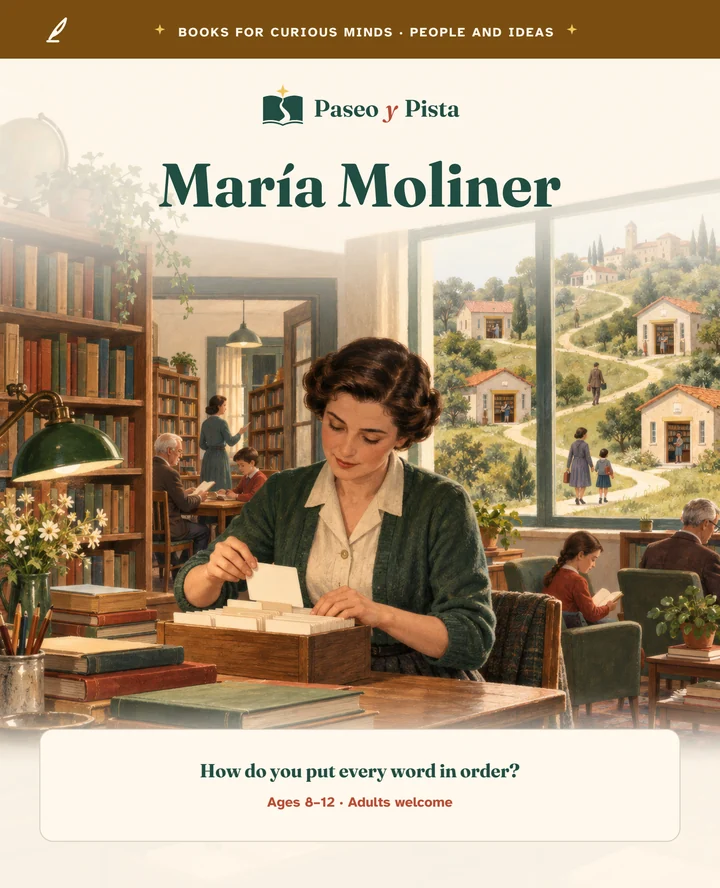
María Moliner
You learn to: Sorting information and writing clear definitions
- 8–12 years
- ES · EN
- Language and dictionaries

Books for curious minds · Ages 8–12 · 4 books
People from Spain who looked at the world differently, and the ideas they left us.
A librarian, two painters and a group of athletes: people from Spain who looked at the world in their own way. Chapters to meet them, and to practise looking at words, portraits and sport in a new way.
See the booksHow do you put every word in order?
María Moliner 1 of 4 · See the book
At school, history is often told through big names and dates. Children rarely see how a librarian, a painter, a scientist or an athlete really worked, or what problem they were trying to solve.
Each book follows a real life in six chapters. Every chapter opens with a painting and a documented moment, and ends with a paper challenge: sort index cards, read a signature, draw from several sides, follow a neuron.
It builds careful reading and the habit of asking "how do we know?". Every book has sources, a glossary and a section for the adult.
Learning outside the classroom: what school starts carries on at home and on the street.
You learn to: Sorting information and writing clear definitions
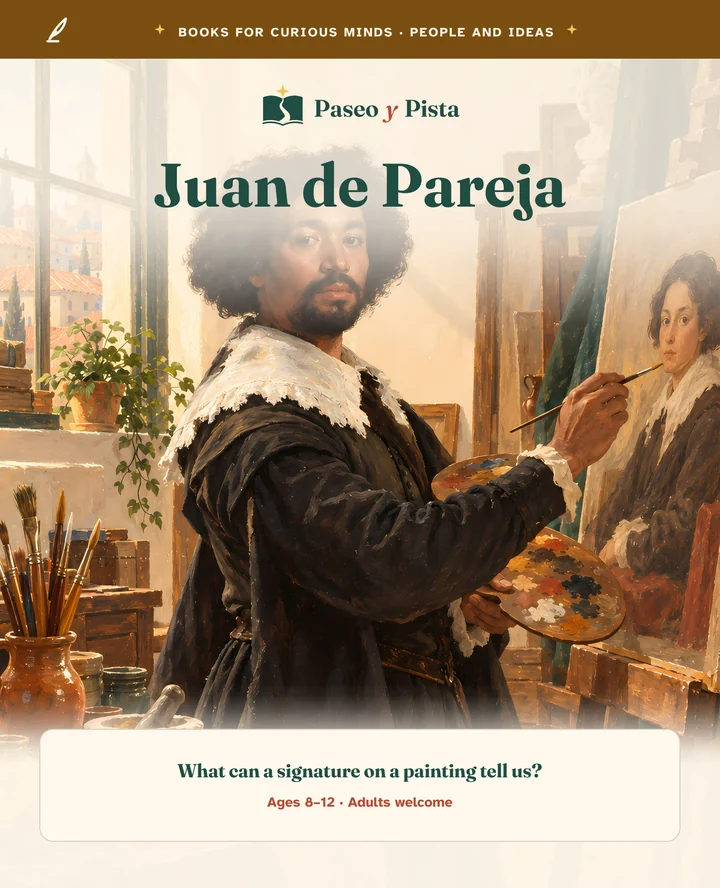
You learn to: Reading a painting as evidence: who is in it and who painted it
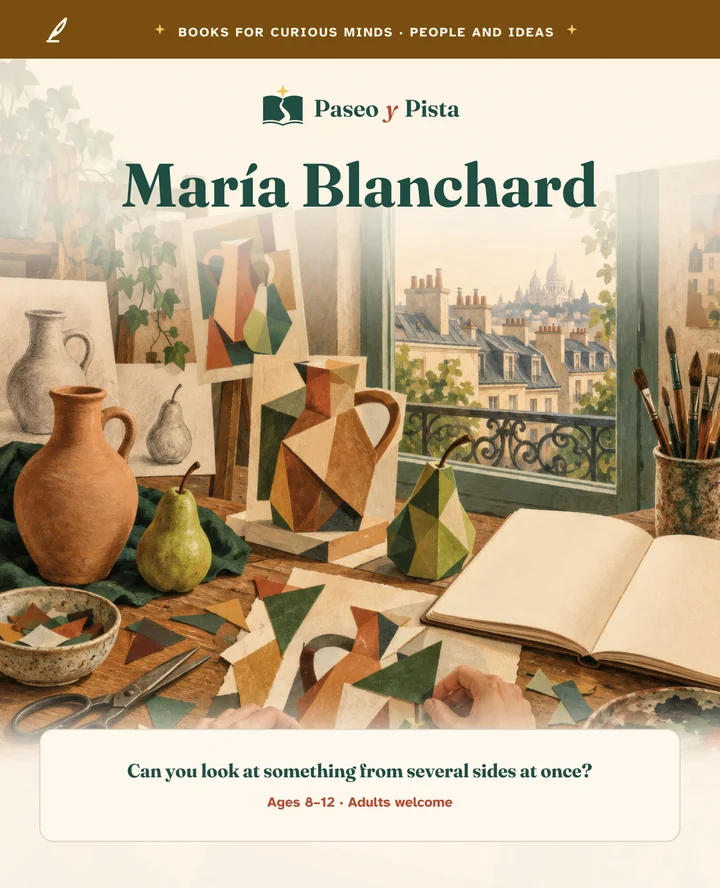
You learn to: Looking at an object from several sides and understanding Cubism
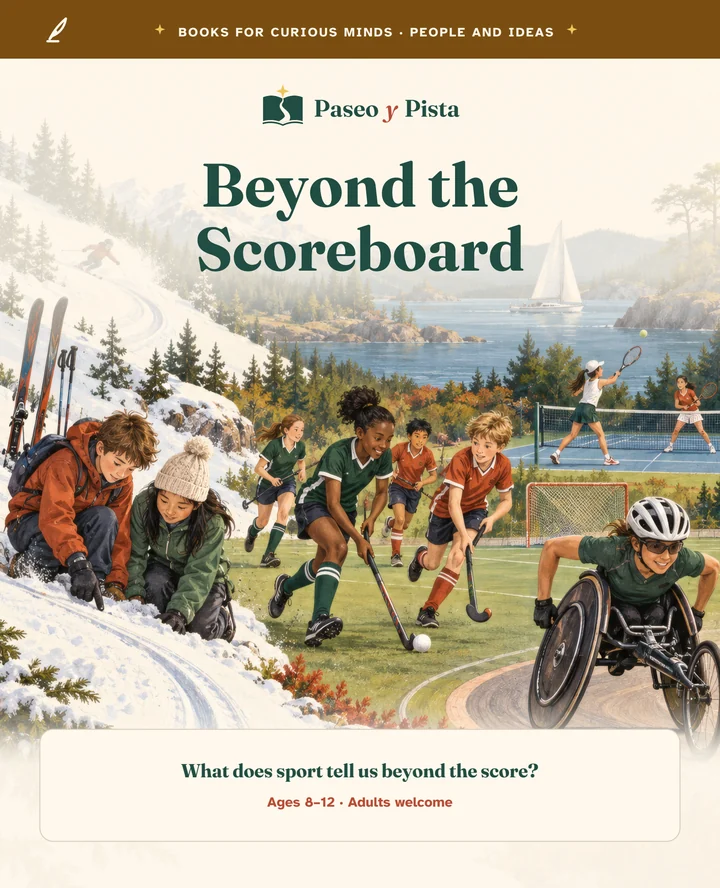
You learn to: Seeing the science and maths behind a result
Yes. The people and events are real and come from documents; the cards and examples in the activities are made up for practice.
Ages 8 to 12. Children can read alone or with the family, one chapter at a time.
Some do, simply and without harsh detail: Juan de Pareja's enslavement, or María Moliner being punished after the Spanish Civil War. The adult section helps you talk about it.
Just a pencil. Every activity is on paper and comes with explained answers.
Yes, every book has a Spanish edition and an English edition.
Have another question? Write to us at contact@paseoypista.com and we'll reply.
Games for the street, books for curious minds and stories to read together.
 Mysteries to solve on foot7 cities · 4 adventures in each
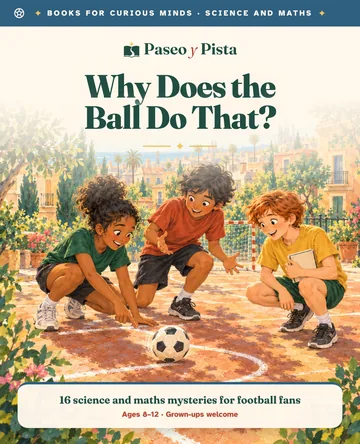
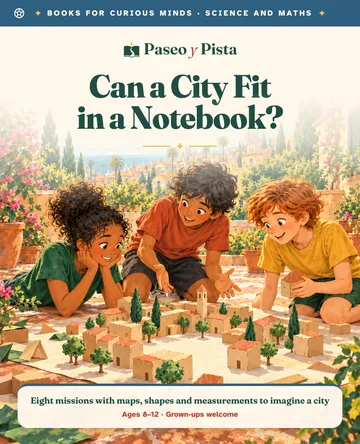
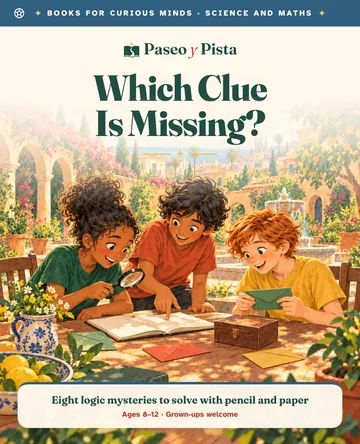 Physics and maths hiding in the things you love.4 books · See the series →
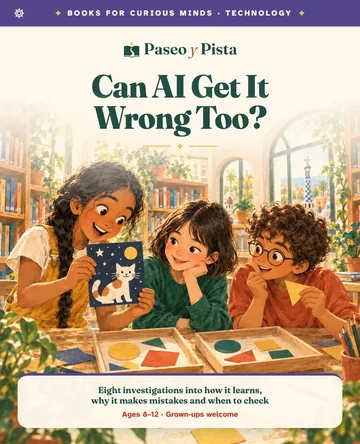
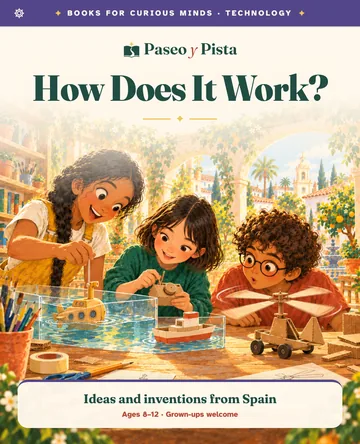
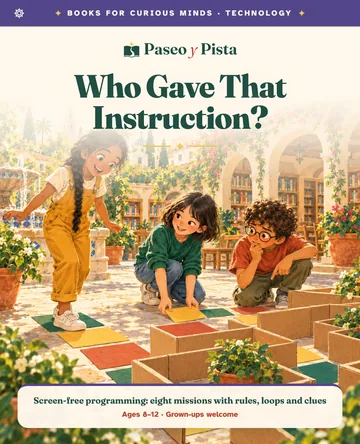 How the machines, ideas and systems we use every day really work.9 books · See the series →
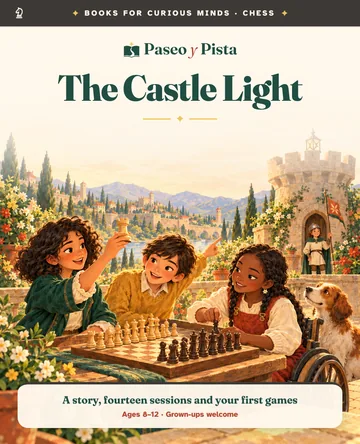
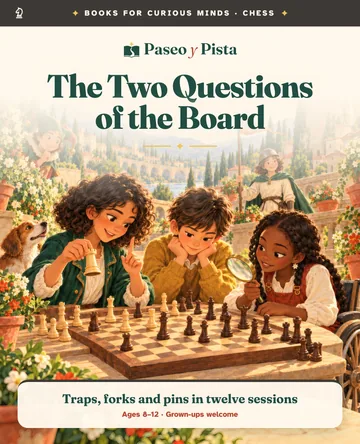
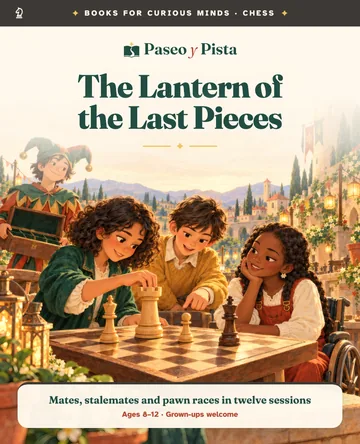 Learn chess by playing, from your first game to making plans.4 books · See the series →
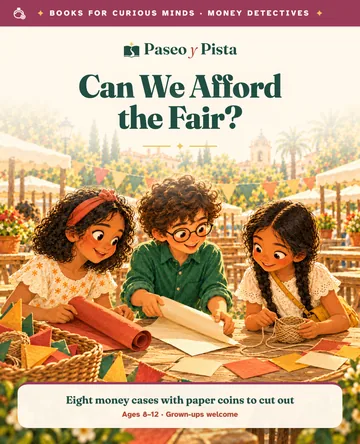
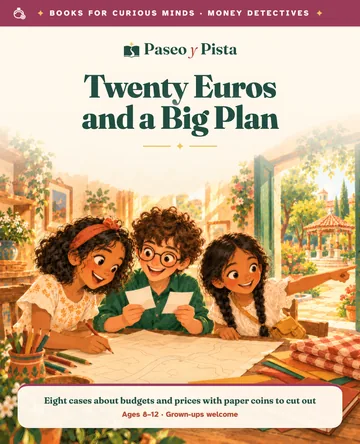
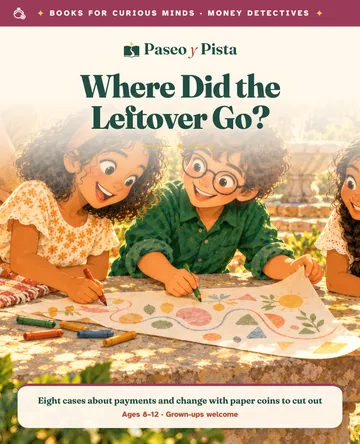 Mysteries that make sense of money.10 books · See the series →
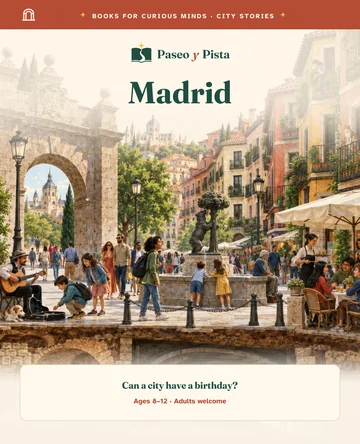
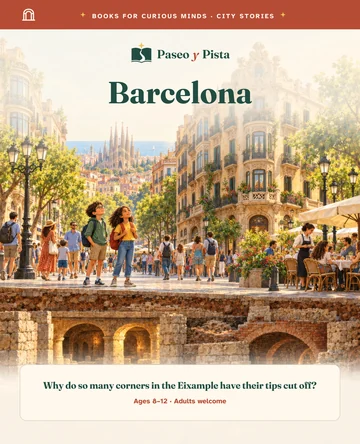
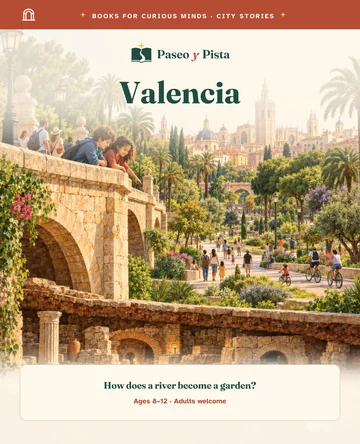 Why a city is the way it is: streets, water, decisions and people.4 books · See the series →
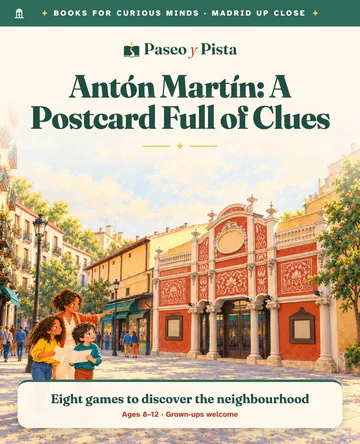
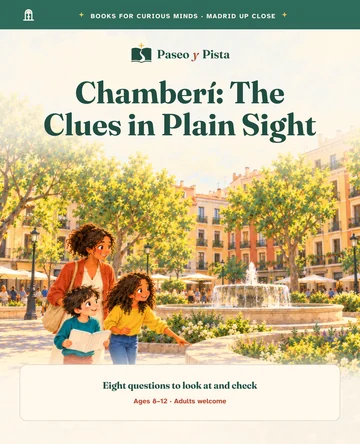
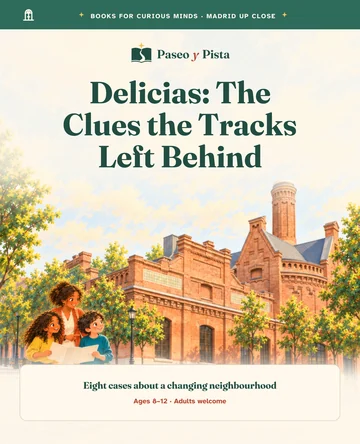 One Madrid neighbourhood, eight ways to look closely.5 books · See the series →
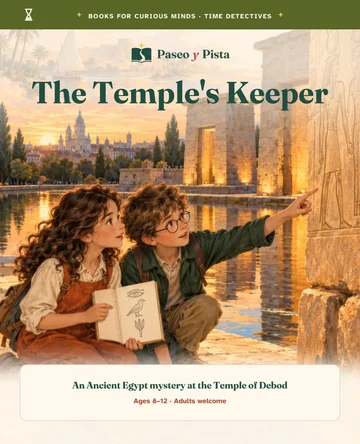
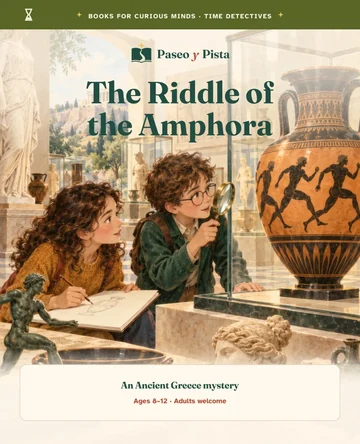
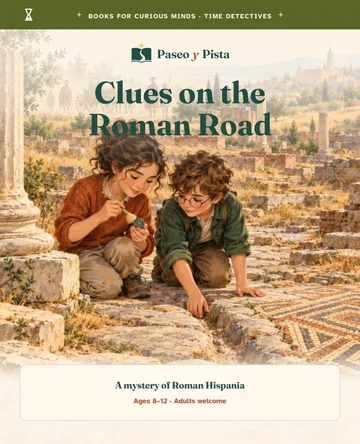 Egypt, Greece, Rome and Madrid: history, solved like a case.6 books · See the series →
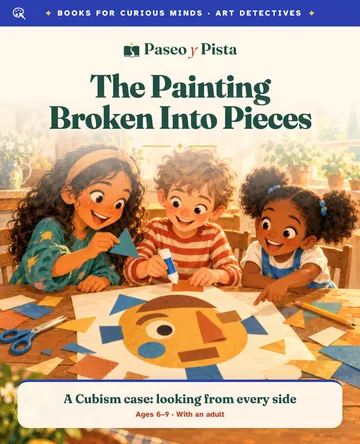
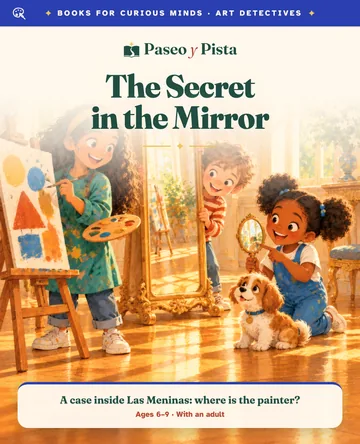
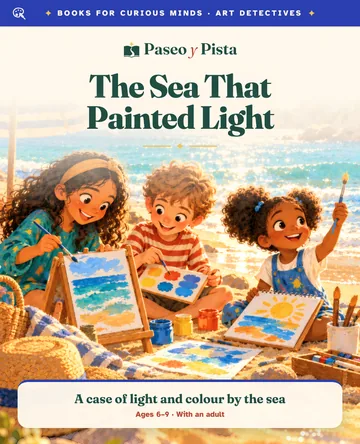 Mysteries for looking closely at paintings.6 books · See the series →
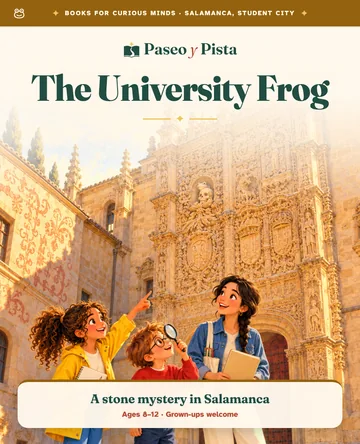
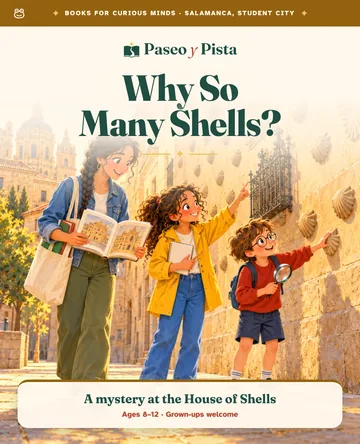
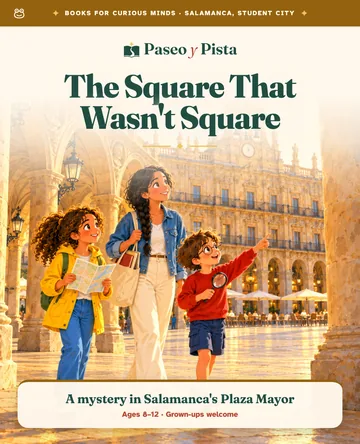 Eight centuries of students and a city full of clues.5 books · See the series →
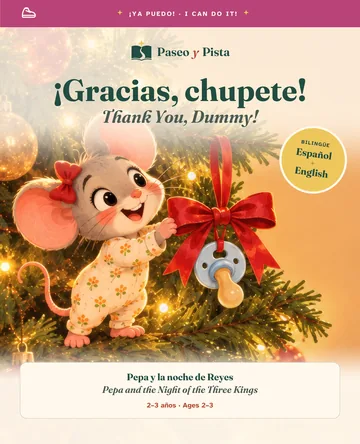
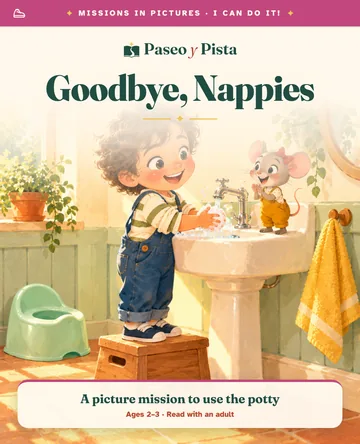
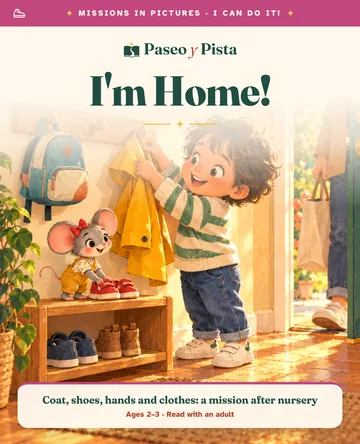 Picture missions for the big steps of ages 2 and 3.3 books · See the series →
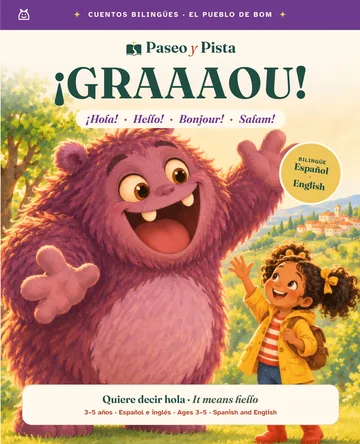
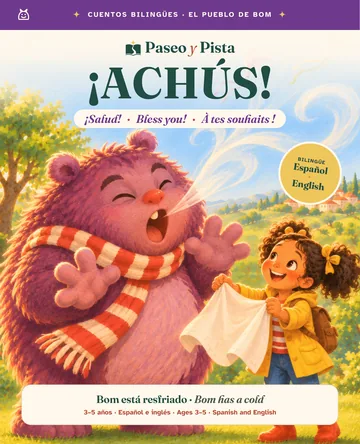
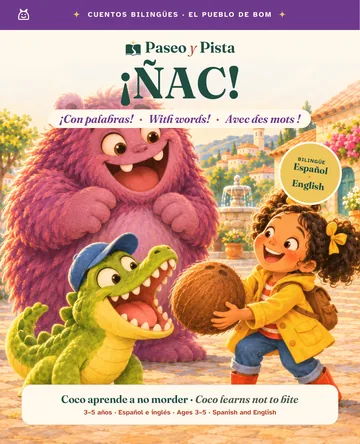 Bilingual Spanish–English stories for ages 3 to 5.7 books · See the series →
 Little mysteries to share16 stories · 7 cities
Paseo y Pista makes paper games, books and stories for learning through play: curious, hands-on and away from screens.